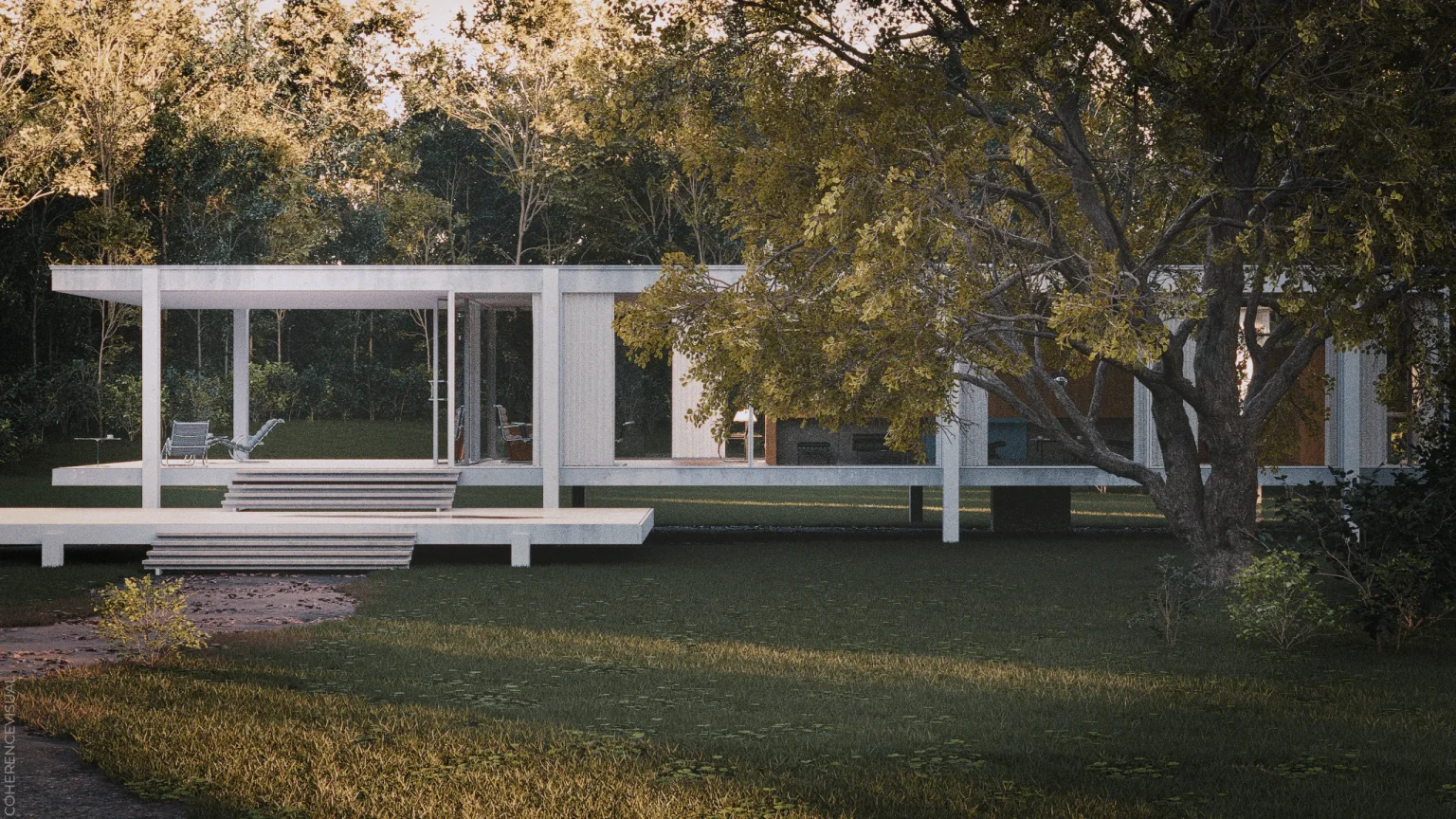
Digital model – modern visualization for architectural projects

It’s a powerful tool for presenting design concepts and real estate developments. It allows you to communicate essential information quickly and visually — whether it’s for landscape architecture, urban planning, or architectural design.
This form of visualization not only makes your projects easier to understand but also more visually engaging.

A digital model is one of the most powerful tools for communicating design ideas in today’s architectural workflow.
It allows architects, developers, and designers to present projects quickly and visually, offering a clear understanding of form, proportion, and spatial relationships.

Whether your focus is landscape architecture, urban planning, or architectural design, digital models make your work not only easier to understand but also far more visually engaging.

At CoherenceVisual, we craft high-quality digital models that combine simplicity, accuracy, and interactivity — helping you tell your design story in a modern, elegant way.
CoherenceVisual|Digital Model

Speed and clarity are at the core of every digital model.
They can be created quickly and presented in a clean, minimalist aesthetic that focuses attention on the essential aspects of the project — scale, massing, and design intent.    Unlike static images, a digital model offers flexibility and interaction.   Viewers can explore, zoom, and orbit freely, discovering the design at their own pace.    This immediacy makes digital models a favorite among architects and developers who need to communicate ideas efficiently and convincingly in early project stages or client presentations.

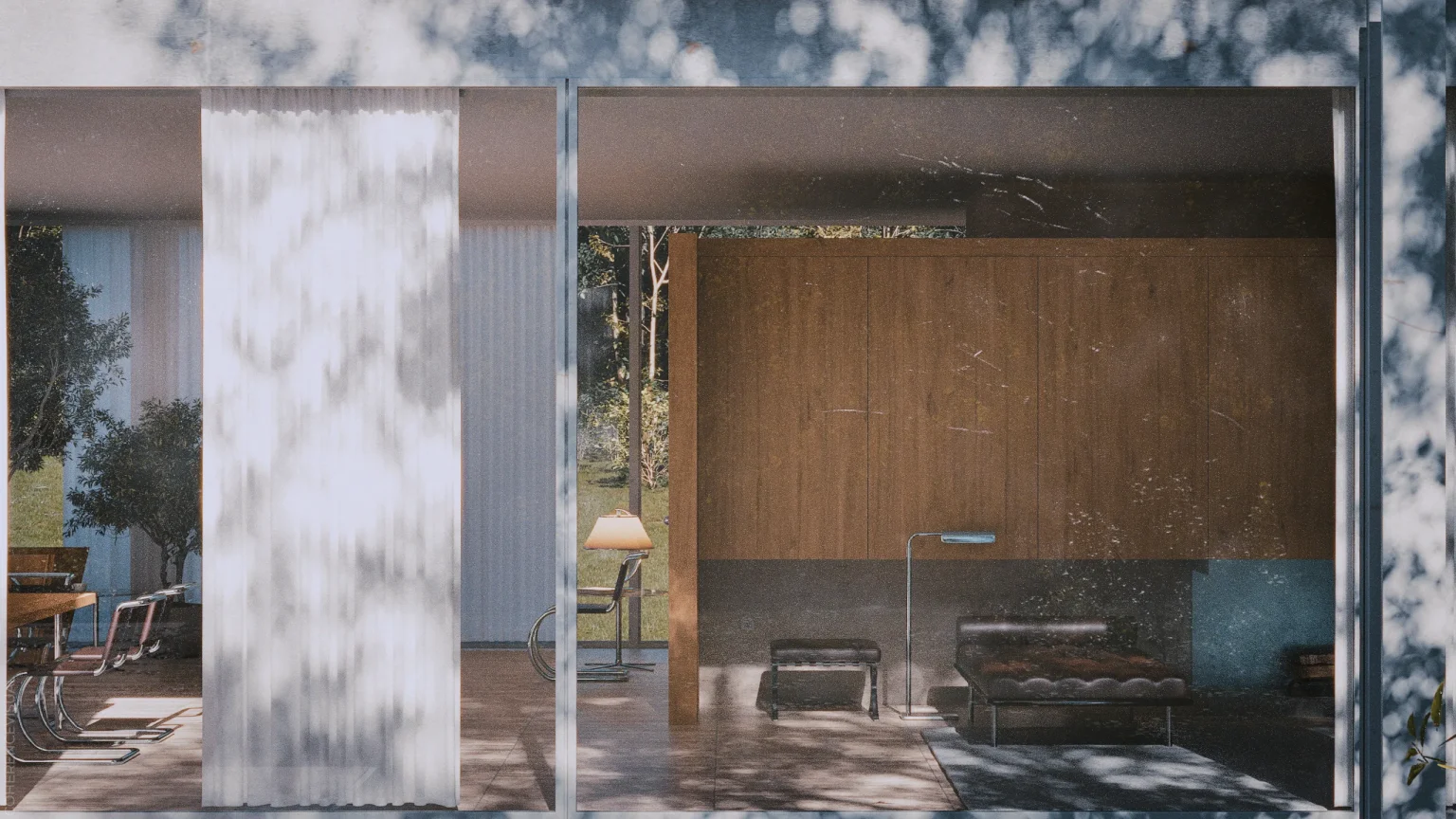
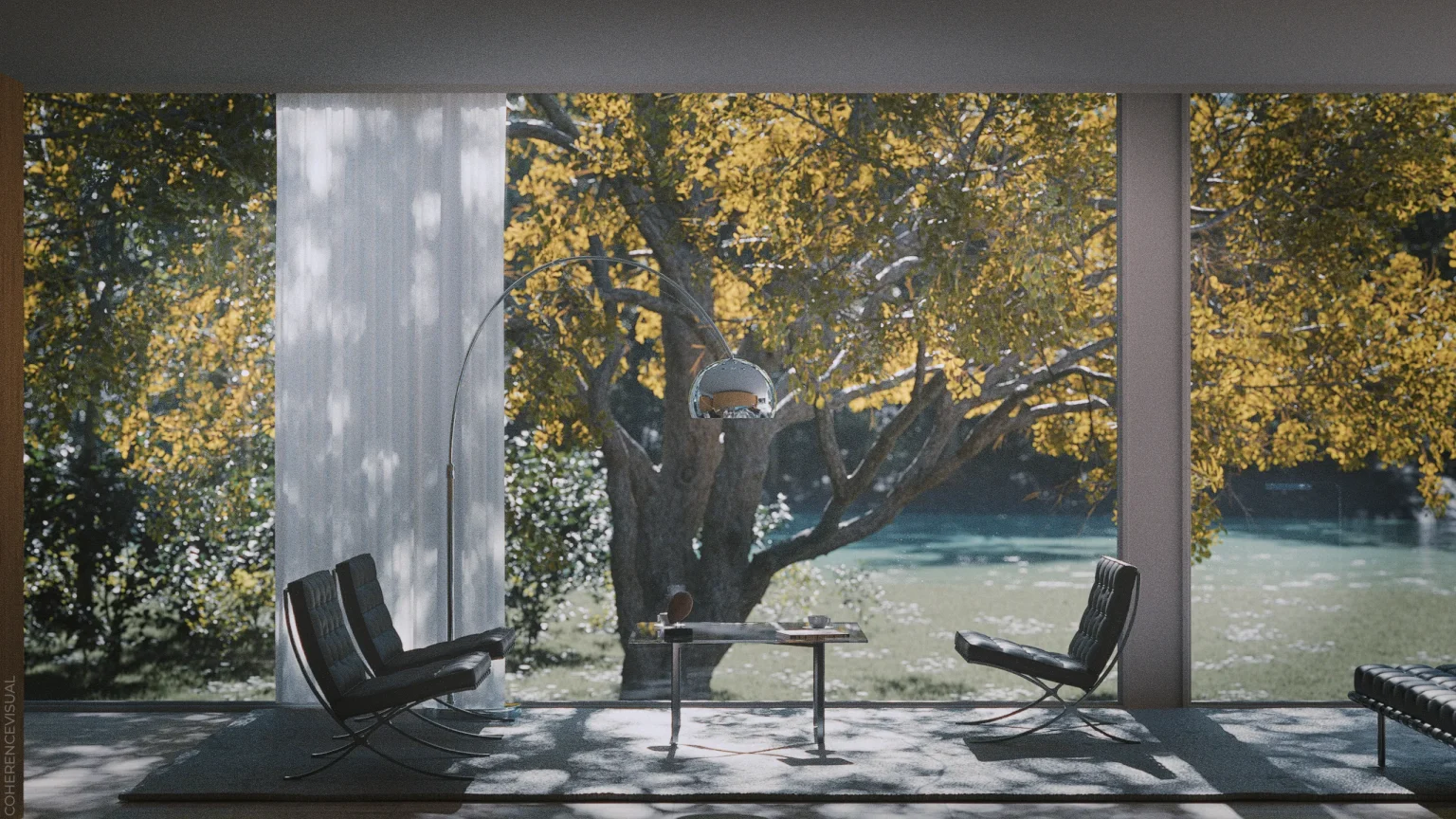
Farnsworth house - inside area, looking out of the living area to the big tree in front of the house

Just like traditional architectural models, digital ones show form, proportion, and hierarchy — but they also provide new opportunities.    They can be shared instantly online, updated effortlessly, and viewed from any device.    No more transporting fragile physical models or building multiple versions.    A digital model keeps all the advantages of traditional craftsmanship while adding the convenience and reach of digital communication.

The engine behind our online digital models is Sketchfab, a cutting-edge platform by Epic Games.     It enables a real-time 3D experience that clients can interact with directly — rotating, zooming, and exploring every detail in full control.

Seamlessly embeddable on websites and portfolios.    Fully mobile and tablet compatible.    Easy to share via link or QR code.    Offers real-time lighting and material rendering.    Supports annotations and guided tours.

By using Sketchfab, we make sure your project presentation remains accessible, professional, and engaging anywhere in the world.

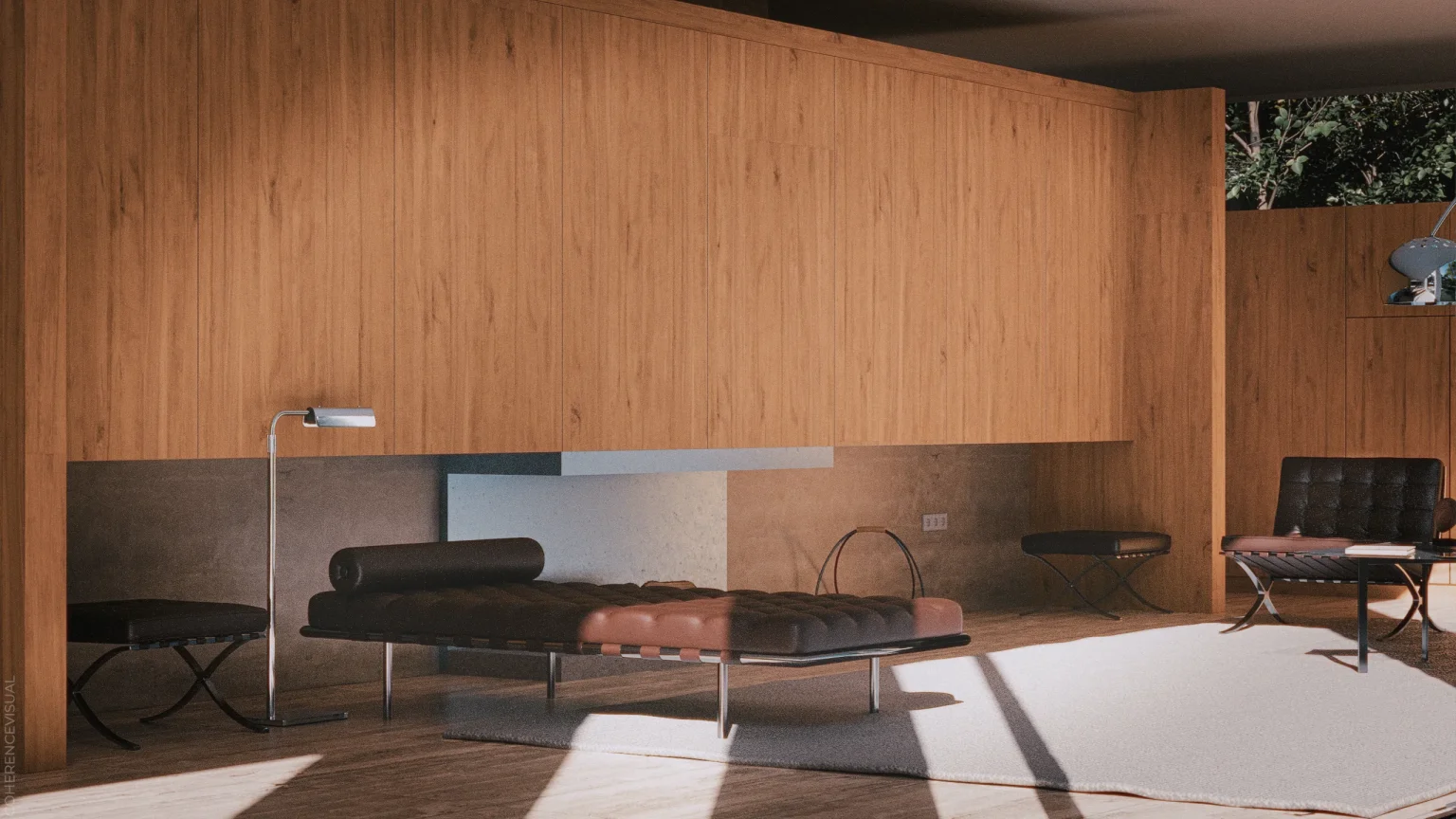
Farnsworth house - inside area, living area with seathings and a fireplace, and a floor lamp

A great architectural design doesn’t exist in isolation.
That’s why our digital models include contextual elements such as terrain, vegetation, streets, and neighboring buildings.

By situating your project within its environment, clients gain a realistic sense of scale and integration.
This helps them visualize how the building will interact with its surroundings — how it will receive sunlight, connect to pathways, or complement the landscape.

For urban planning or large-scale developments, this level of context is essential for both communication and approval processes.

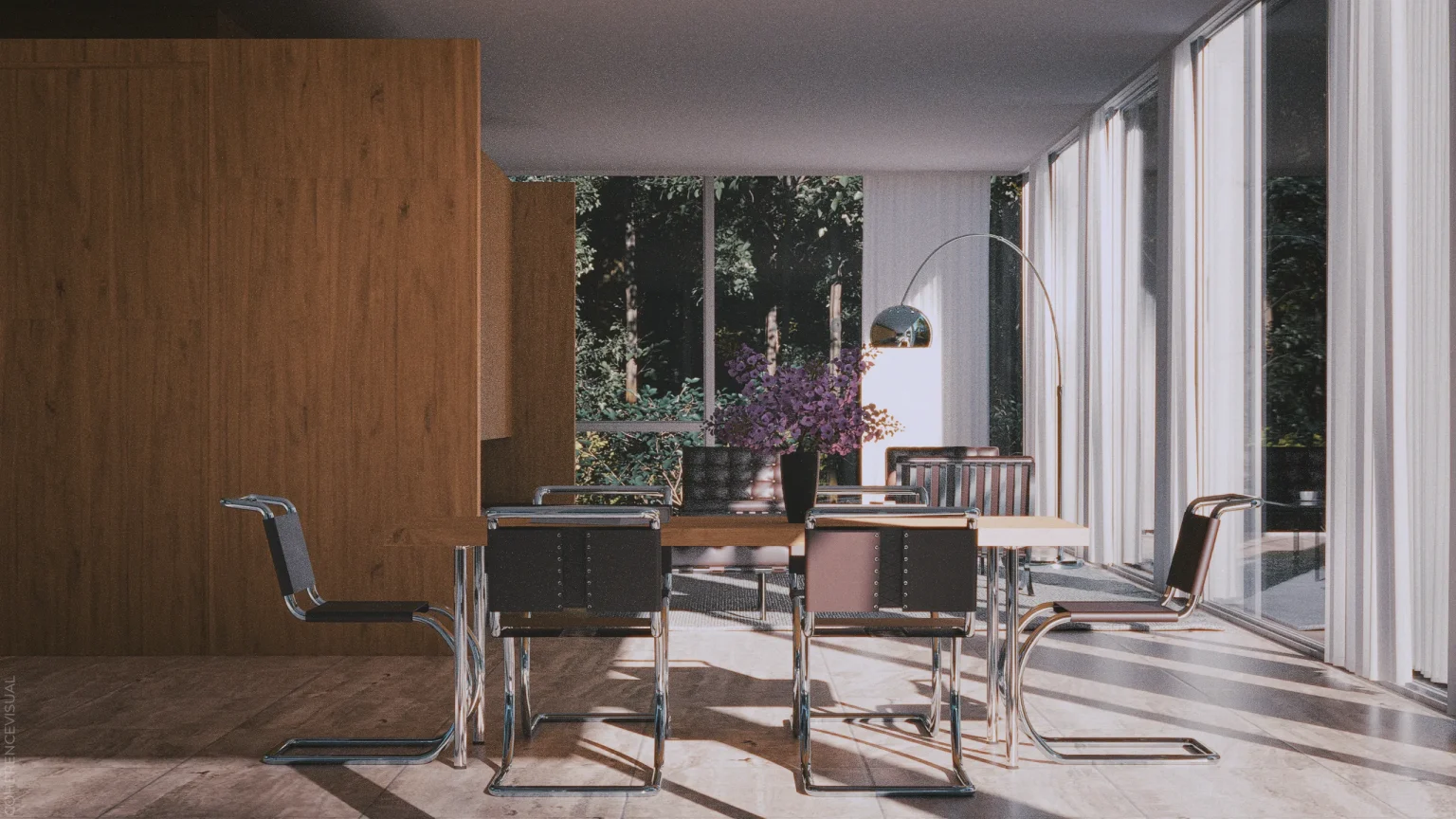
Farnsworth house - inside area, dinning area and living area

While physical models have their timeless appeal, digital models offer far greater flexibility.
They can be easily adjusted, updated, and shared instantly — without production costs or material limitations.

Digital models can also include preset viewpoints that guide the viewer through key design highlights, creating a structured visual presentation similar to a slideshow.
This ensures that even complex designs are communicated clearly and that no important element is overlooked.

Architecture is a process of evolution.    A key advantage of digital modeling is the ability to track and compare design versions over time.    Previous versions can be archived, allowing you and your clients to see how ideas develop.    This transparent workflow not only improves collaboration but also builds trust, showing the decision-making process behind every design choice.

Frequent updates become simple and cost-free — making digital models an ideal tool for iterative design development.

Digital models can feature annotations, or labeled markers, to identify specific design elements or technical information.

These can be used to:

Explain architectural solutions or material selections

Highlight spatial relationships between key components

Mark points of interest such as entrances, structures, or landscape elements

Annotations transform the model into an interactive learning experience, helping clients understand design intent in detail, without needing to interpret technical drawings.

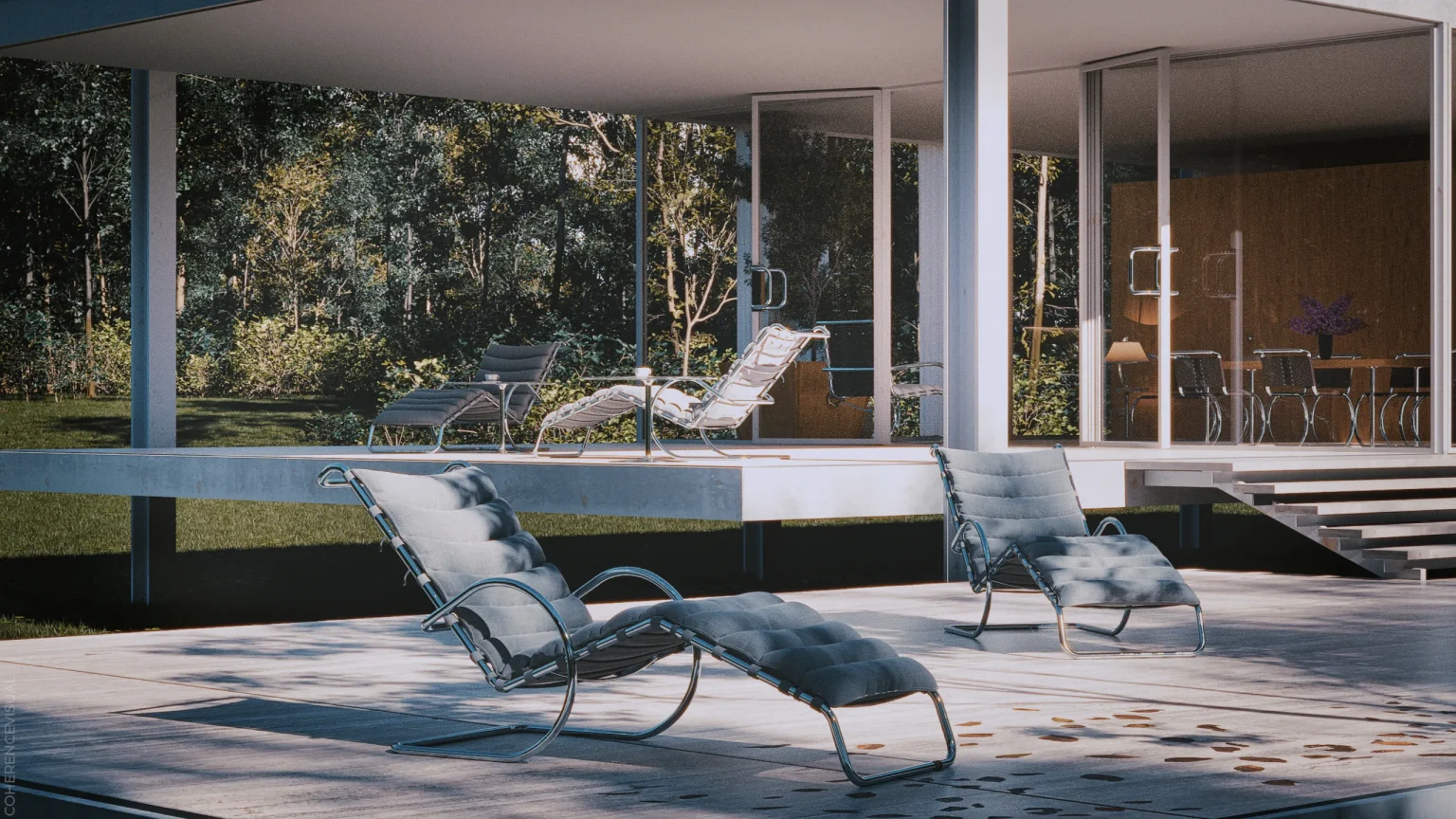
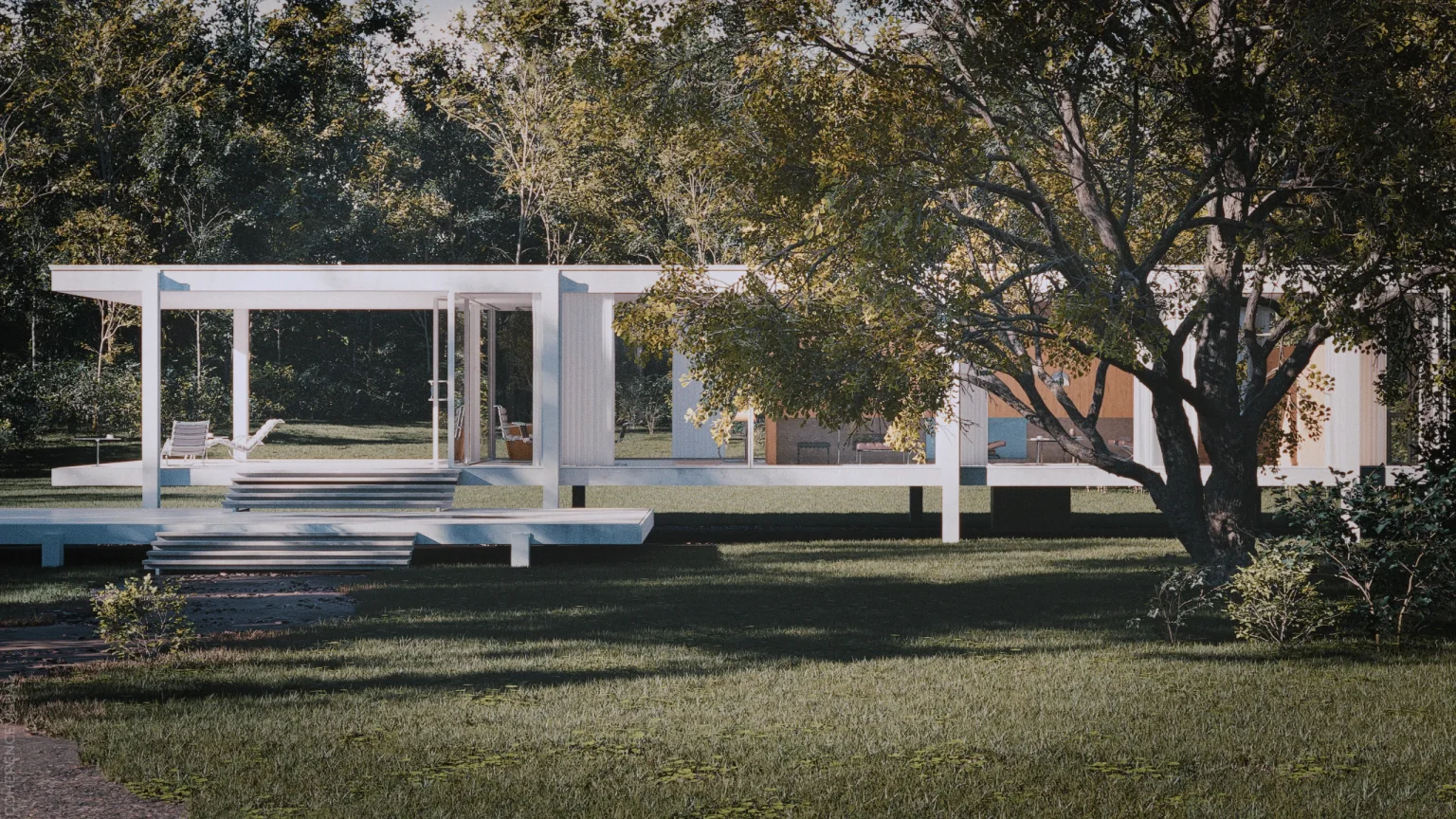
Digital Model - Farnsworth House - exterior area, perspective - lower and upper terrace with loungers

The potential of digital modeling extends far beyond architecture.    It’s equally valuable for garden and landscape design, where each plant species, material, and layout can be visualized directly within the model.    This is especially useful for large gardens, parks, or outdoor developments, allowing planners to simulate how vegetation interacts with topography, structures, and light.    By combining visual accuracy with flexibility, digital models become a versatile communication tool across multiple disciplines.

Farnsworth House - inside area, dining area with a huge dining table and 6 chairs around it

Sketchfab models are designed to be explored on virtually any device.
They perform smoothly on desktop computers, tablets, smartphones, and touchscreen displays — giving every client a personalized viewing experience.

For those who want full immersion, VR headsets provide an even deeper level of engagement, letting viewers walk through the model at true scale.

This flexibility makes digital models an outstanding tool for exhibitions, client meetings, or public consultations where interaction enhances understanding.

Thanks to Sketchfab’s adaptability, digital models can be customized for a variety of professional uses.    They can be tailored to emphasize design, materials, structure, or function — depending on what you want to communicate.

Presenting real estate developments and conceptual masterplans

Visualizing building surroundings and site context

Explaining complex structural relationships

Showcasing multi-building or urban projects

Presenting landscape and garden architecture designs

This versatility makes digital models a cornerstone of modern architectural visualization.

Farnsworth House - inside area, living area with a coffee table with 2 cup of coffee and there is a book on the table: The Grand Budapest hotel

At CoherenceVisual, we design our modeling workflow to integrate smoothly with your project pipeline.    We can work from architectural CAD files, 3D models, or BIM data to create optimized, presentation-ready digital assets.    Each model is designed for fast loading, realistic appearance, and interactive control — ensuring an enjoyable experience for your audience.    Whether you’re preparing for a client meeting, design competition, or online showcase, a well-crafted digital model ensures your concept is presented clearly and professionally.

Farnsworth house - front elevation in the morning - It's a modern looking style building with steel beams and glasses. You can see inside of the building from every direction. There are a lot of tree around the building.

Sketchfab models are redefining how architects and designers communicate ideas.
They combine the clarity of physical models with the flexibility of digital presentation, offering an elegant, interactive way to showcase your work.

With tools like Sketchfab, projects can be experienced anywhere, on any device — giving clients immediate insight into the design’s form, function, and atmosphere.

Where to use

It’s a great choice for:

Presenting existing and planned real estate developments

Visualizing building surroundings and site context

Large-scale architectural or urban projects

Multi-building developments

Detailed garden and landscape architecture presentations

Let’s collaborate to visualize your next architectural project in real-time.
Reach out today — and make your designs accessible, engaging, and unforgettable.

Write us an email and request a quote, or simply inquire!